Colloquio

Robots don’t replace people. They relieve them.

Interview with Oliver Deifel on automation in the end-of-line process
P roduction lines in the food sector are reaching their limits. High quality requirements, fluctuating order volumes, and a shortage of skilled workers make the end-of-line process a critical bottleneck. Oliver Deifel, Director Global Customer Solutions & Integration Business at Bizerba, explains how modular automation solutions can help – and what companies should keep in mind when getting started.
Text: Bizerba
Photo: Bizerba interactive
1
Oliver, what challenges do you currently see in end-of-line processes?
Oliver Deifel |

The biggest pressure point for food producers is undoubtedly at the end of the production line. Products need to be labeled, inspected, sorted, packed and palletised, but in many places there simply aren’t enough skilled workers to carry out these tasks reliably, shift after shift. At the same time, demands for quality, traceability and hygiene are increasing. This combination means that automation in the end-of-line process is an absolute necessity, not just a nice-to-have.

2
Many people associate automation with robots replacing workers. What is your opinion on this?

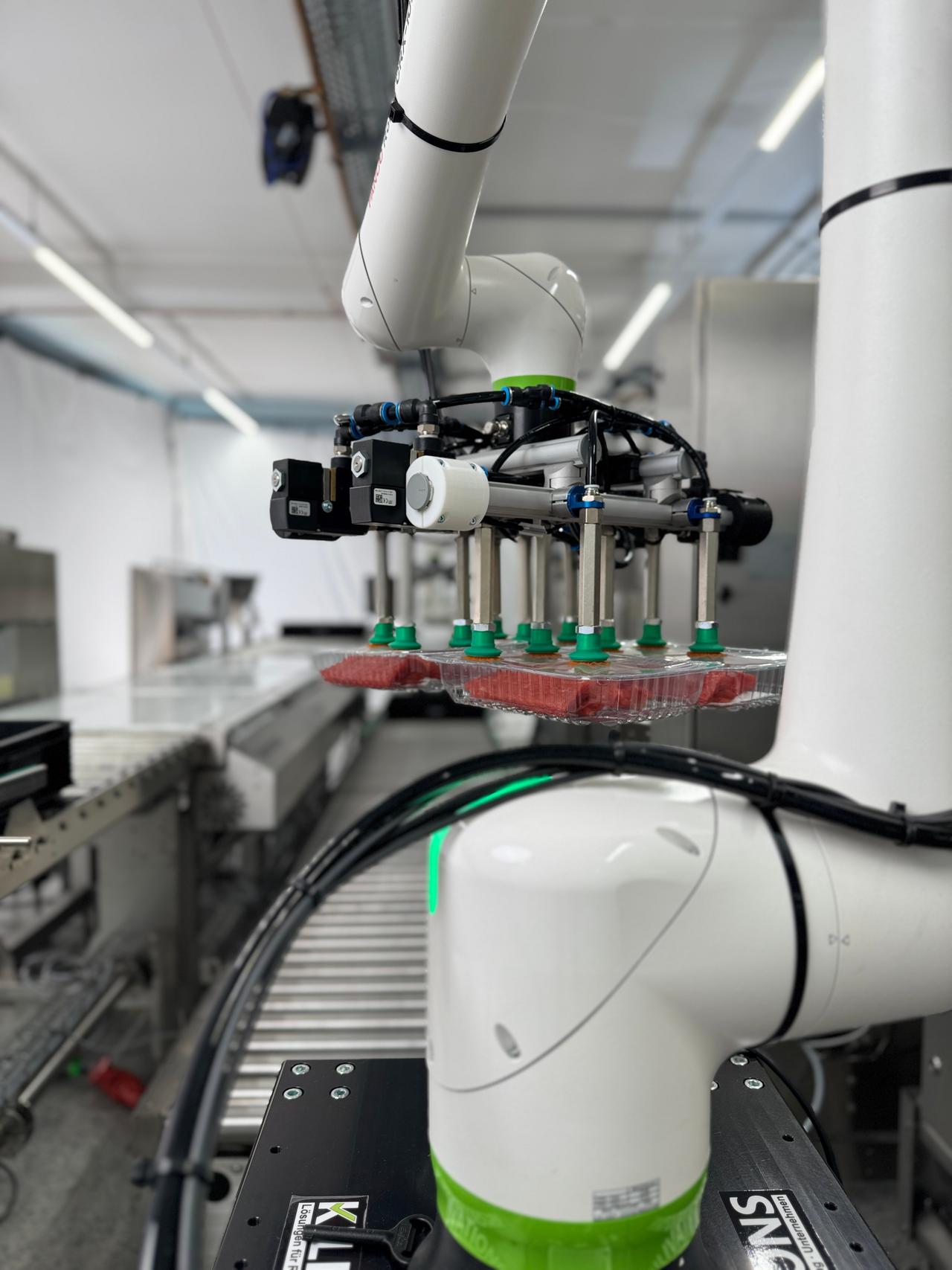
It's a common misconception. It's not about replacement. It's about providing relief. Robots take over simple, repetitive or physically demanding tasks. For example, aligning and loading products into boxes. This frees up staff capacity elsewhere and ensures consistent quality, even at high throughput. Robots don’t replace people. They relieve them.

3
Which tasks can be automated most effectively at the end of the production line?

Mainly repetitive ones. Examples include sorting, aligning, grouping, loading and palletising. Labeling and inspection also offer great potential, and this is an area in which we can deliver top precision. However, the real power lies in combination. This is a well-designed, integrated solution where all modules work seamlessly together and fit into existing production environments.

4
What kind of savings potential are we talking about?

It depends on the situation. In practice, however, we have seen labour savings of up to 40 per cent in packaging areas. This doesn't mean that people are being replaced. It means we can fill staffing gaps, stabilise processes and increase output, which clearly benefits the business.

5
How flexible are these solutions? Many companies are concerned about the high cost of integration.

That’s a valid concern. That’s why we use scalable modules and open interfaces, and we work closely with our technology partners. Our systems can be integrated into existing lines with minimal disruption. What's more, our BRAIN2 software provides the transparency and traceability that modern operations require. This makes automation not only efficient, but also audit-proof.

6
If a company is considering automating its end-of-line process, what would you recommend?

Don't wait until the pressure becomes unmanageable. Even small steps towards automation can provide significant relief. The key is to partner with someone who understands production realities and recognises that automation is a tool for achieving better quality, faster throughput and greater resilience, not an end in itself. That’s exactly what we offer at Bizerba.
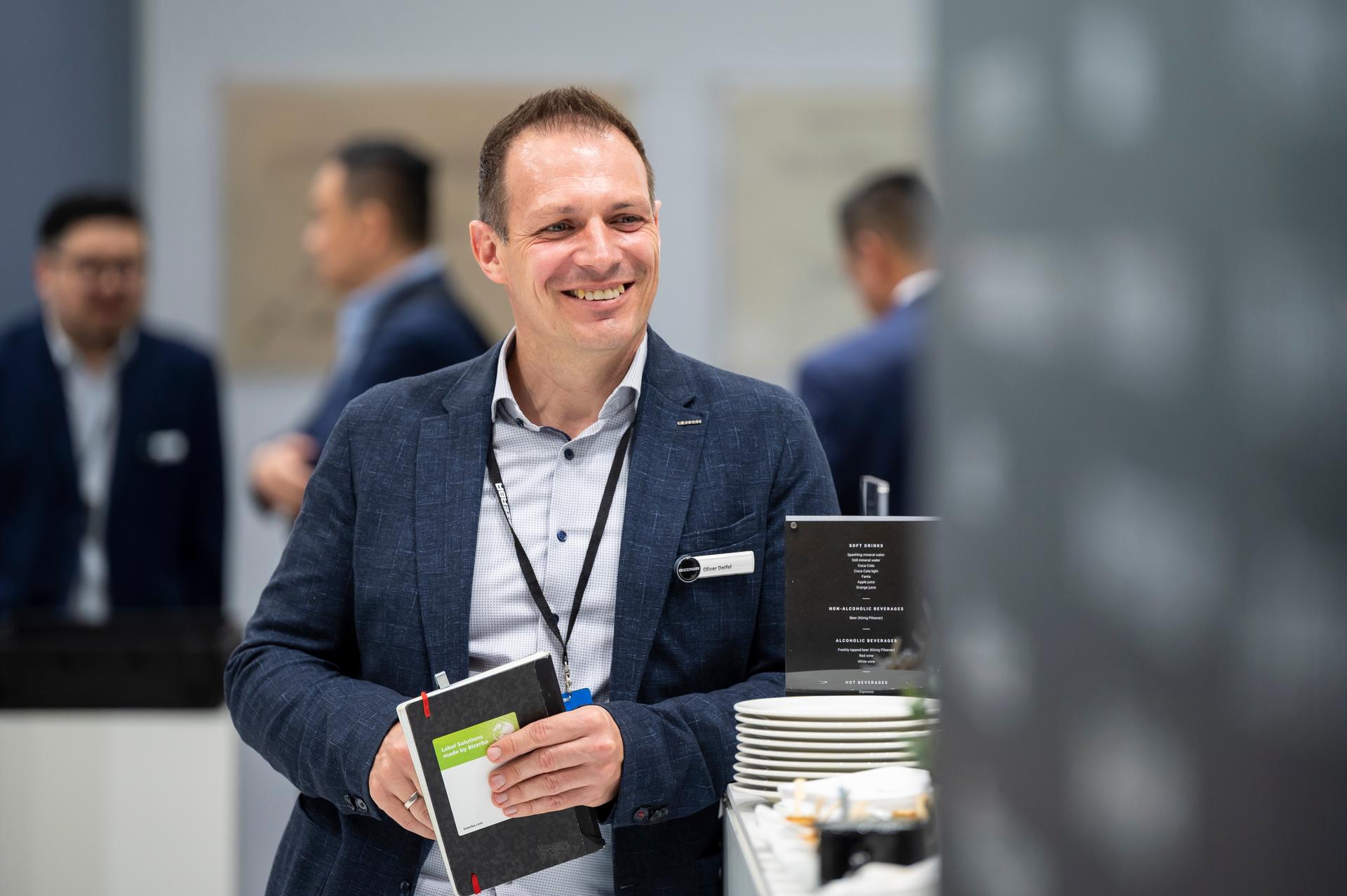
Oliver Deifel
Director Global Customer Solutions & Integration Business,
Bizerba SE & Co.KG
Oliver Deifel is Director of Global Customer Solutions & Integration Business at Bizerba, where he is responsible for developing and implementing integrated automation solutions for the food industry and logistics. With his extensive experience in system integration and deep understanding of industry-specific requirements, he is driving the digitization and improvement of efficiency in end-of-line processes. Under his leadership, his team creates modular and scalable concepts that seamlessly complement existing production environments. He and his team implement future-proof solutions that address the challenges and requirements of customers. His expertise makes him a sought-after contact for companies looking to optimize their production lines sustainably.
Want to know more?
Continua a leggere

Articoli correlati

Colloquio
Modernize your butcher shop with intuitive weighing and traceability solutions
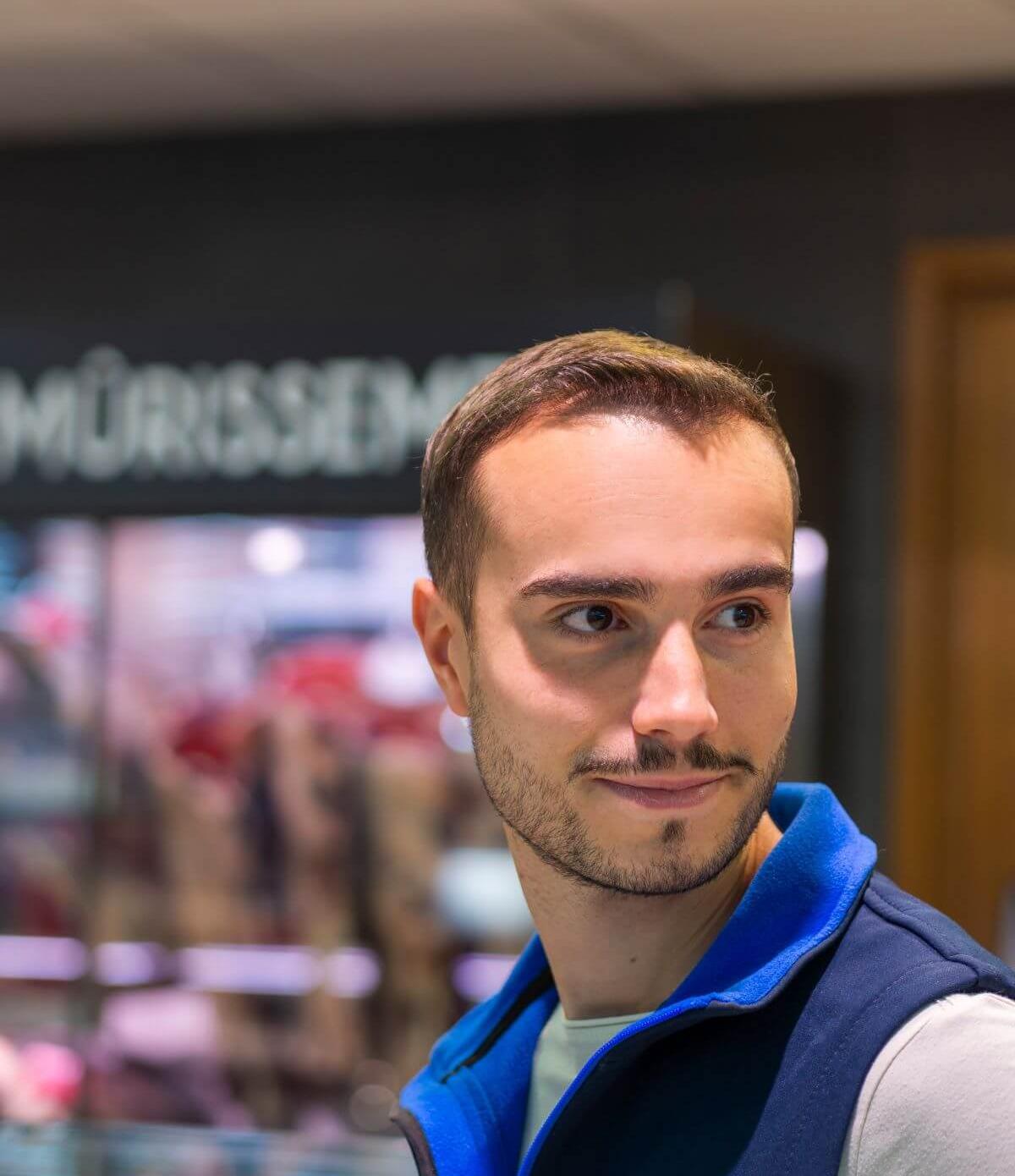
When it comes to seamless traceability, high performance and customer experience, digital tools play a key role in the food retail sector. In this testimonial, Kilian Leduc, Butchery Manager at E.Leclerc Trélissac, Francia, shares his experience using intuitive weighing and traceability solutions designed to simplify the daily tasks of his teams and meet consumer expectations.
Colloquio
L’automazione come mezzo, non come fine
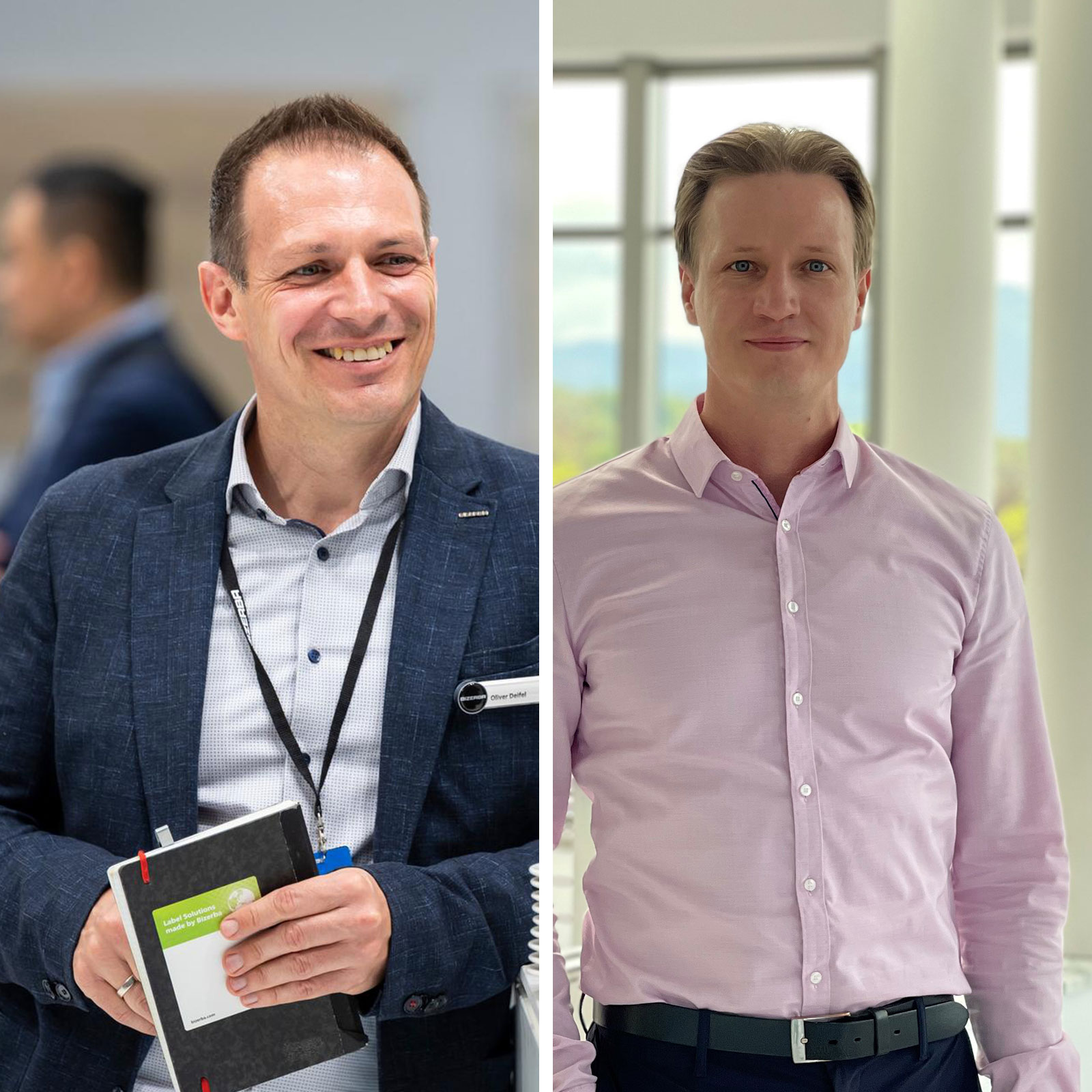
L’automazione sta trasformando gli ambiti produttivi e la vendita al dettaglio, ma in quale modo? La robotica non rappresenta una contraddizione rispetto all’artigianato tradizionale, ma piuttosto una leva strategica per garantire una qualità sostenibile. Eduard Schirling e Oliver Deifel, esperti delle Business Unit Retail e Industria, condividono la loro visione: parlano delle soluzioni tecnologiche più avanzate, delle sfide specifiche del settore alimentare e delle motivazioni personali che li spingono a innovare.
Colloquio
Banchi freschi ibridi: L'innovazione che ottimizza l'esperienza di vendita e di acquisto
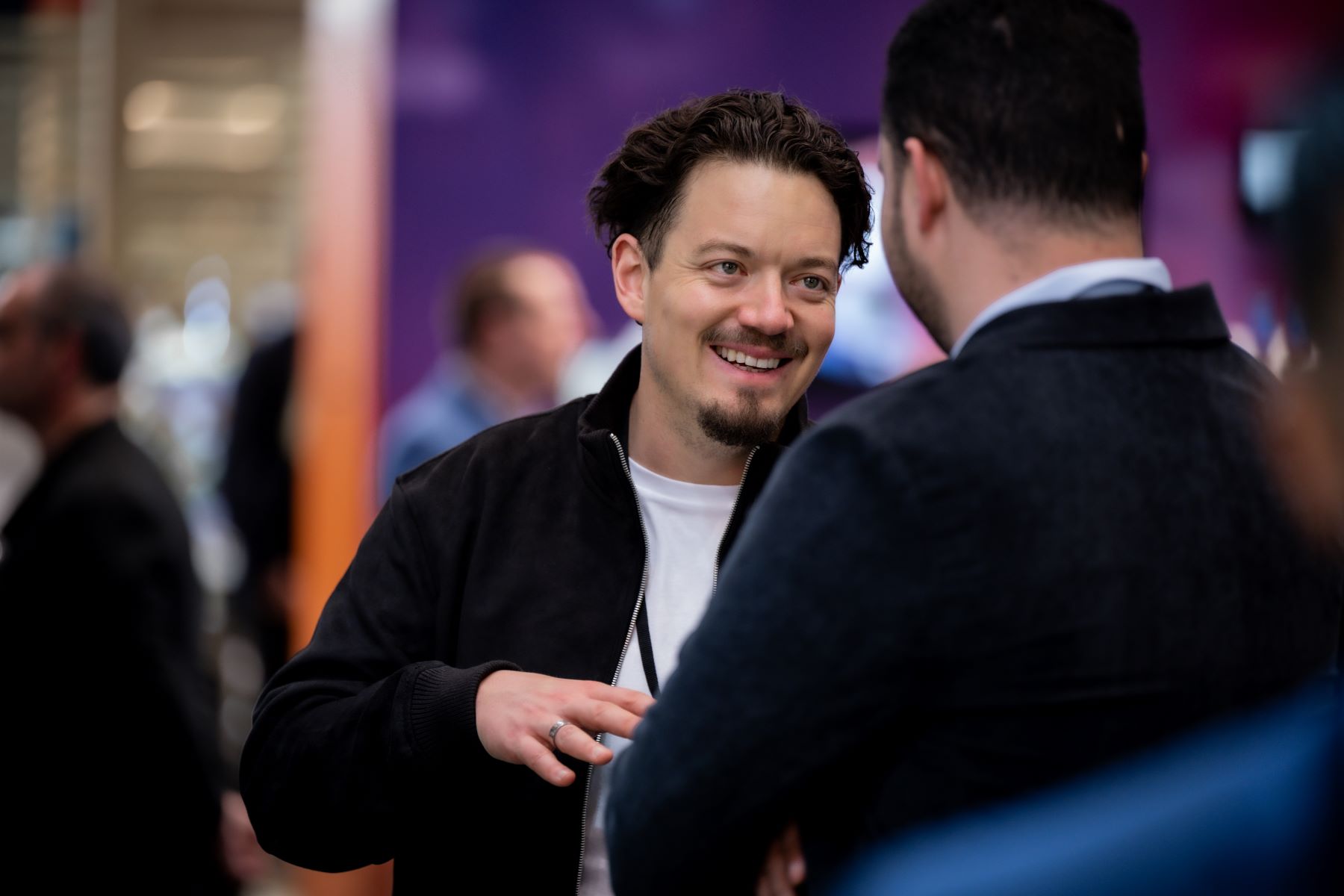
I rivenditori si trovano oggi ad affrontare nuove sfide nel reparto freschi, dall’aumento dei costi del lavoro alle crescenti aspettative dei clienti in termini di servizio e qualità. I banchi ibridi rappresentano una risposta concreta a entrambe queste esigenze. Ne abbiamo parlato con Alexander Pogacnik, che ci ha illustrato come la combinazione tra affettatura on-demand e tecnologia di confezionamento integrata stia trasformando le operazioni in negozio: migliorando l’igiene, ottimizzando i processi e offrendo una maggiore flessibilità strategica all'interno del punto vendita.